Q&A with Dr. Dean Kereiakes about the DISRUPT CAD III 1yr Data at TCT21

Following its presentation at TCT21 in a featured clinical research session, we caught up with DISRUPT CAD III co-principal investigator, Dean Kereiakes, M.D., FACC, FSCAI, Medical Director of The Christ Hospital Heart and Vascular Center and the Christ Hospital Research Institute; Professor of Clinical Medicine, The Ohio State University, to get his thoughts on the data and what stands out from his perspective since the primary 30-day outcomes were presented at TCT20.


What is the significance of the one-year follow-up data from the DISRUPT CAD III study, which was included by TCT as one of the meeting’s best abstracts in the featured clinical research session?

Dr. Kereiakes: I think it’s very significant that it shows sustained and persistent relative benefit of IVL for lesion preparation prior to coronary stenting. Since this is the first robust one-year data that has been presented on coronary IVL, I think that’s very important as there were concerns, as there have been with the use of ablative technologies, that in late follow-up there might be some loss of the benefit that might have been predicted by the MSA and percent stent expansion at the initial procedure. These were phenomenal levels from the OCT sub study – 102% stent expansion and MSA of 6.5mm2 at the site of maximum lesion calcification. The fact that we were able to achieve these excellent levels, one would predict based on all other previous imaging studies, that there should be a low rate of TLR and stent thrombosis, which is exactly what we found.


Were there any other concerns that you had about the potential one-year outcomes going into TCT?

Dr. Kereiakes: Well, some had expressed concerns that there might be a negative impact of the energy generated by IVL like we see with the friction induced by rotational and orbital atherectomy. The reassuring answer is it doesn’t look like it as the data are great. When, at 1-year, you have an ID-TLR of 4.3% and a total stent thrombosis rate of 1.1% with only one patient (0.3%) having a stent thrombosis beyond 30 days, that bodes very well.


Was there anything surprising to you about the data itself?

Dr. Kereiakes: No, I actually thought it was predictable based on the optimized stent implantation results we were able to achieve by pretreating these severely calcified lesions – 100% of which were classified as severely calcified as adjudicated by an independent core lab.


Now that durable one-year outcomes have been shown, where do we go from here from a clinical research perspective?

Dr. Kereiakes: I think the next step is to analyze the post-market approval study being done through the ACC CathPCI registry, which is very innovative. I think this is going to be very helpful to expand the observations using IVL for lesion preparation in a much broader population of real-world patients.


Given that this was a single arm study, how do you contextualize the results of the one-year findings?

Dr. Kereiakes: You know I think without a randomized comparator it’s always challenging and difficult. Recall that we set up the best performance goals you could possibly set up using a similar population, similar definitions and similar endpoints, to be identical to ORBIT II which was the pivotal trial for FDA approval of orbital atherectomy. This was probably the best designed non-randomized comparator possible. That said, although it remains a cross trial, non-randomized comparison, when you look at the one year data, you’ve got Disrupt CAD III at 13.8% MACE rate and 16.9% for ORBIT II. This is a very intriguing, hypothesis-generating but non-randomized comparison.


For those physicians that may have been waiting for longer term data to prove out the effectiveness of the therapy, what would you tell them now that the one-year data is available?

Dr. Kereiakes: I’d tell them to look at the data and look at the best data from the other sources of calcium modifying technologies – take in the totality of the data. That means peri-procedural results to 30-days and at one year. There’s never been a cohort of patients with more severely calcified target lesions than those enrolled in DISRUPT CAD III for U.S. FDA approval of coronary IVL. When you look at the substrate that was enrolled and you look at the peri-procedural outcomes, with zero perforations, zero abrupt closures, zero no re-flow with IVL alone and only one patient with an Ellis type 1 micro-perforation following stent deployment which sealed by itself out of the entire series. When I look at these data I say you have a low complication rate, great outcomes at 30 days that now persist out to one year. Knowing these data, going forward I would hesitate to approach severely calcified target lesions without IVL.


Is there anything else that stood out to you about the IVL data presented at TCT?

Dr. Kereiakes The other thing that I would honestly say, that’s really hard to recreate, is that when you look at all of the IVL data, we have 47 sites in four countries with DISRUPT CAD III and an additional pooled analysis of data from 72 sites in 12 countries. When you look at all of these different sites across multiple continents and countries, there is remarkable consistency in the safety and effectiveness endpoints achieved. I think that reflects the ease-of-use of IVL. It’s a balloon. Every interventionalist, I don’t care what subspecialty you are, uses balloons. And that’s the relative safety of the technology as well. Delivering high technology in a primitive delivery system. It doesn’t matter whether you’re in Europe or U.S. Doesn’t matter if you’re in a big center, or little center. The beauty of this observation is the consistency of safety and effectiveness. We found no differences with IVL. I call IVL the great equalizer.


Dr. Dean Kereiakes is a paid consultant for Shockwave Medical.

Coronary Important Safety Information:

In the United States: Rx only.

Indications for Use—The Shockwave Intravascular Lithotripsy (IVL) System with the Shockwave C2 Coronary IVL Catheter is indicated for lithotripsy-enabled, low-pressure balloon dilatation of severely calcified, stenotic de novo coronary arteries prior to stenting.

Contraindications—The Shockwave C2 Coronary IVL System is contraindicated for the following: This device is not intended for stent delivery. This device is not intended for use in carotid or cerebrovascular arteries.

Warnings— Use the IVL Generator in accordance with recommended settings as stated in the Operator’s Manual. The risk of a dissection or perforation is increased in severely calcified lesions undergoing percutaneous treatment, including IVL. Appropriate provisional interventions should be readily available. Balloon loss of pressure was associated with a numerical increase in dissection which was not statistically significant and was not associated with MACE.  Analysis indicates calcium length is a predictor of dissection and balloon loss of pressure.  IVL generates mechanical pulses which may cause atrial or ventricular capture in bradycardic patients. In patients with implantable pacemakers and defibrillators, the asynchronous capture may interact with the sensing capabilities. Monitoring of the electrocardiographic rhythm and continuous arterial pressure during IVL treatment is required.  In the event of clinically significant hemodynamic effects, temporarily cease delivery of IVL therapy.

Precautions— Only to be used by physicians trained in angiography and intravascular coronary procedures. Use only the recommended balloon inflation medium. Hydrophilic coating to be wet only with normal saline or water and care must be taken with sharp objects to avoid damage to the hydrophilic coating. Appropriate anticoagulant therapy should be administered by the physician. Precaution should be taken when treating patients with previous stenting within 5mm of target lesion.

Potential adverse effects consistent with standard based cardiac interventions include– Abrupt vessel closure – Allergic reaction to contrast medium, anticoagulant and/or antithrombotic therapy-Aneurysm-Arrhythmia-Arteriovenous fistula-Bleeding complications-Cardiac tamponade or pericardial effusion-Cardiopulmonary arrest-Cerebrovascular accident (CVA)-Coronary artery/vessel occlusion, perforation, rupture or dissection-Coronary artery spasm-Death-Emboli (air, tissue, thrombus or atherosclerotic emboli)-Emergency or non-emergency coronary artery bypass surgery-Emergency or non-emergency percutaneous coronary intervention-Entry site complications-Fracture of the guide wire or failure/malfunction of any component of the device that may or may not lead to device embolism, dissection, serious injury or surgical intervention-Hematoma at the vascular access site(s)-Hemorrhage-Hypertension/Hypotension-Infection/sepsis/fever-Myocardial Infarction-Myocardial Ischemia or unstable angina-Pain-Peripheral Ischemia-Pseudoaneurysm-Renal failure/insufficiency-Restenosis of the treated coronary artery leading to revascularization-Shock/pulmonary edema-Slow flow, no reflow, or abrupt closure of coronary artery-Stroke-Thrombus-Vessel closure, abrupt-Vessel injury requiring surgical repair-Vessel dissection, perforation, rupture, or spasm. Risks identified as related to the device and its use: Allergic/immunologic reaction to the catheter material(s) or coating-Device malfunction, failure, or balloon loss of pressure leading to device embolism, dissection, serious injury or surgical intervention-Atrial or ventricular extrasystole-Atrial or ventricular capture.

Prior to use, please reference the Instructions for Use for more information on warnings, precautions and adverse events.  https://shockwavemedical.com/IFU

Please contact your local Shockwave representative for specific country availability and refer to the Shockwave C2 instructions for use containing important safety information.
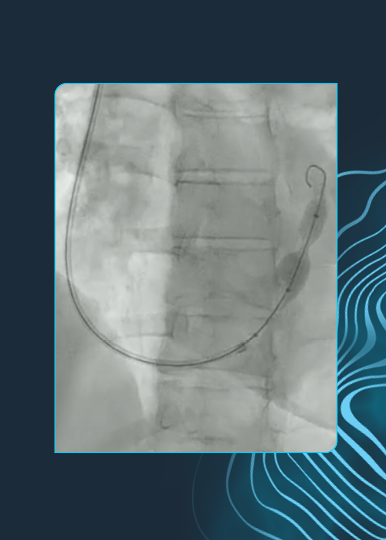
 

Q&A with Dr. Yasin Hussain about the DISRUPT CAD Pooled Female vs. Male Analysis at TCT21


What do we know about gender analyses from large PCI studies previously conducted?

Dr. Hussain: In general, moderately to severely calcified lesions are associated with higher rates of target lesion failure, myocardial infarction, stent thrombosis, and cardiac death both in hospital and long-term and independently predict ischemia-driven revascularization in both men and women. Typically, women undergoing PCI have more comorbidities and worse periprocedural complications. When it comes to PCI of severely calcified lesions, women have as much as a two-fold higher risk of coronary perforations and a five-fold higher risk of tamponade compared with men, and the risk of in-hospital mortality is reported to be 20% higher compared to men.


From your perspective, what were the key takeaways from this analysis?

Dr. Hussain: This pooled analysis of the DISRUPT CAD trials is the largest to evaluate the use of Shockwave IVL to treat severely calcified coronary lesions. The key findings were: first: IVL is safe and effective in both men and women; second: IVL treatment of severe calcification resulted in the lowest observed rates of procedural complications in both men and women compared to other atheroablative options.


What is the impact of the Gender Analysis of the DISRUPT CAD Pooled Studies on current practice in both men and women patient populations?

Dr. Hussain: IVL appears to be the great equalizer of outcomes between men and women showing for the first time lower procedural complications in women compared to men. IVL should be considered first line treatment for severely calcified lesions especially in women given their increased risk of severe procedural complications and the poor associated clinical outcomes including heightened mortality risk.


How do outcomes from DISRUPT CAD Pooled Gender Analysis compare to previous gender studies conducted with calcium modification tools?

Dr. Hussain: Several small studies have looked at the differences in outcomes using rotational atherectomy and orbital atherectomy based on sex. Atheroablative devices have two-to-five-fold higher periprocedural complications in women compared with men. IVL in our study shows low and similar results in men and women. However, it is important to highlight that this observation is based on small, non-randomized series and will require additional confirmation.


What should interventional cardiologists expect to learn next about Shockwave coronary IVL in females – where should the research take us?

Dr. Hussain: Future studies should compare the safety and efficacy in a randomized manner of an IVL versus a standard atheroablative treatment strategy to confirm and understand the generalizability of our preliminary results.


Dr. Yasin Hussain is a paid consultant for Shockwave Medical.

Coronary Important Safety Information:

In the United States: Rx only.

Indications for Use—The Shockwave Intravascular Lithotripsy (IVL) System with the Shockwave C2 Coronary IVL Catheter is indicated for lithotripsy-enabled, low-pressure balloon dilatation of severely calcified, stenotic de novo coronary arteries prior to stenting.

Contraindications—The Shockwave C2 Coronary IVL System is contraindicated for the following: This device is not intended for stent delivery. This device is not intended for use in carotid or cerebrovascular arteries.

Warnings— Use the IVL Generator in accordance with recommended settings as stated in the Operator’s Manual. The risk of a dissection or perforation is increased in severely calcified lesions undergoing percutaneous treatment, including IVL. Appropriate provisional interventions should be readily available. Balloon loss of pressure was associated with a numerical increase in dissection which was not statistically significant and was not associated with MACE.  Analysis indicates calcium length is a predictor of dissection and balloon loss of pressure.  IVL generates mechanical pulses which may cause atrial or ventricular capture in bradycardic patients. In patients with implantable pacemakers and defibrillators, the asynchronous capture may interact with the sensing capabilities. Monitoring of the electrocardiographic rhythm and continuous arterial pressure during IVL treatment is required.  In the event of clinically significant hemodynamic effects, temporarily cease delivery of IVL therapy.

Precautions— Only to be used by physicians trained in angiography and intravascular coronary procedures. Use only the recommended balloon inflation medium. Hydrophilic coating to be wet only with normal saline or water and care must be taken with sharp objects to avoid damage to the hydrophilic coating. Appropriate anticoagulant therapy should be administered by the physician. Precaution should be taken when treating patients with previous stenting within 5mm of target lesion.

Potential adverse effects consistent with standard based cardiac interventions include– Abrupt vessel closure – Allergic reaction to contrast medium, anticoagulant and/or antithrombotic therapy-Aneurysm-Arrhythmia-Arteriovenous fistula-Bleeding complications-Cardiac tamponade or pericardial effusion-Cardiopulmonary arrest-Cerebrovascular accident (CVA)-Coronary artery/vessel occlusion, perforation, rupture or dissection-Coronary artery spasm-Death-Emboli (air, tissue, thrombus or atherosclerotic emboli)-Emergency or non-emergency coronary artery bypass surgery-Emergency or non-emergency percutaneous coronary intervention-Entry site complications-Fracture of the guide wire or failure/malfunction of any component of the device that may or may not lead to device embolism, dissection, serious injury or surgical intervention-Hematoma at the vascular access site(s)-Hemorrhage-Hypertension/Hypotension-Infection/sepsis/fever-Myocardial Infarction-Myocardial Ischemia or unstable angina-Pain-Peripheral Ischemia-Pseudoaneurysm-Renal failure/insufficiency-Restenosis of the treated coronary artery leading to revascularization-Shock/pulmonary edema-Slow flow, no reflow, or abrupt closure of coronary artery-Stroke-Thrombus-Vessel closure, abrupt-Vessel injury requiring surgical repair-Vessel dissection, perforation, rupture, or spasm. Risks identified as related to the device and its use: Allergic/immunologic reaction to the catheter material(s) or coating-Device malfunction, failure, or balloon loss of pressure leading to device embolism, dissection, serious injury or surgical intervention-Atrial or ventricular extrasystole-Atrial or ventricular capture.

Prior to use, please reference the Instructions for Use for more information on warnings, precautions and adverse events.  https://shockwavemedical.com/IFU

Please contact your local Shockwave representative for specific country availability and refer to the Shockwave C2 instructions for use containing important safety information.
In the recent Cardiovascular Revascularization Medicine article, “First United States experience with RotaShock: A case series,” Drs. Gautam Kumar and Rajesh Sachdeva of Emory and Atlanta VA Medical Center recount three successful cases using the RotaShock technique, a combination of rotational atherectomy with IVL for severely calcified vessels. Following its publication, we engaged them in a highly educational Q&A discussion about how the two technologies are very complementary to each other, and the new strategy can be used either electively or as a rescue. We hope you enjoy their additional perspective.


Out of all of your IVL cases performed, what percentage of your cases have been Rota-Shock and do you expect this rate to decrease or increase over time?

Drs. Kumar & Sachdeva: We have done rotational atherectomy plus IVL in about 10% of our cases. We have several other modalities available in our cath lab and we are also actively participating in randomized trials for calcified coronary lesions.


The complementary relationship between atherectomy and IVL that you reference in your manuscript – is it equally effective with both rotational and orbital atherectomy, or is one preferred?

Drs. Kumar & Sachdeva: Rotational atherectomy (RA) works predominantly against superficial calcium but orbital atherectomy does have an effect on fragmenting the deep calcium in addition to sanding the superficial calcium. This has been described in at least a few studies that have done intravascular imaging in conjunction with orbital atherectomy like in our own series – Desai R et al. Plaque modification of severely calcified coronary lesions via orbital atherectomy: Single-center observations from a complex Veterans Affairs cohort. Health Sci Rep. 2018 Oct 27;1(12):e99. The complementary relationship between RA and IVL seems to make intuitive sense.


You make a keen distinction in your study between “Elective” and “Rescue” RotaShock approaches – what percentage of your RotaShock cases would you expect to see in category?

Drs. Kumar & Sachdeva: Having several years of experience treating calcified lesions in the VA population, we have quickly learnt that planning a combination approach upfront is a better methodology especially when you have information from intravascular imaging or CCTA. There are unusual circumstances where IVL will be used as a rescue therapy and we envision that with increased usage of pre-PCI imaging, this will be necessary less often.


In choosing the “Elective” RotaShock strategy, what are you looking for on angio or intravascular imaging to help make that decision?

Drs. Kumar & Sachdeva: The most important factor that we use to identify an elective Rota-Shock case on angiography is the size of the vessel. In general, for a large left main coronary artery (5-6 mm diameter) or a proximal left anterior descending artery (4-5 mm diameter), it is going to be hard to assume that plaque modification with a 1.5 mm burr alone will be adequate prior to stenting to maximize MSA. The depth of calcification is an important factor is determining whether plaque fracturing is adequate, and OCT is superior to IVUS for the assessment of this as the acoustic shadowing of the proximal edge of the calcium precludes depth assessment with IVUS. Post-atherectomy, we can assess the extent of plaque fracturing with OCT or with IVUS as well.


In the “Rescue” RotaShock cases, what were your previous treatment option before IVL was available?

Drs. Kumar & Sachdeva: One could consider rotational atherectomy with a larger size burr prior to stenting. Sometimes, this may be difficult in radial cases as a 7 Fr guide catheter may not have been used initially and thus burr size would have been limited to 1.5 mm as an example. If orbital atherectomy had been chosen, we could consider going back and doing more runs and consider high speed runs at 120k rpm if the vessel was large. Prior to IVL, most operators would have used specialty balloons with variable results. Some operators may consider laser depending upon availability.


Are there any tips or tricks that you use to optimize outcomes in your RotaShock cases?

Drs. Kumar & Sachdeva: Mandatory use of imaging – either IVUS or preferably, OCT is essential. We generally try to evaluate each case pre-plaque modification (if we are able to cross the lesion), post-plaque modification (to assess the adequacy of calcium fracturing prior to stenting) and then post stenting (to assess stent expansion and apposition).


As you’ve gained more experience with RotaShock, what do you know now that you wish you would have known before your first case?

Drs. Kumar & Sachdeva: We are still early in our experience with this technique and continue to learn from each case.


Dr. Gautam Kumar and Dr. Rajesh Sachdeva are paid consultants for Shockwave Medical.

Coronary Important Safety Information:

In the United States: Rx only.

Indications for Use—The Shockwave Intravascular Lithotripsy (IVL) System with the Shockwave C2 Coronary IVL Catheter is indicated for lithotripsy-enabled, low-pressure balloon dilatation of severely calcified, stenotic de novo coronary arteries prior to stenting.

Contraindications—The Shockwave C2 Coronary IVL System is contraindicated for the following: This device is not intended for stent delivery. This device is not intended for use in carotid or cerebrovascular arteries.

Warnings— Use the IVL Generator in accordance with recommended settings as stated in the Operator’s Manual. The risk of a dissection or perforation is increased in severely calcified lesions undergoing percutaneous treatment, including IVL. Appropriate provisional interventions should be readily available. Balloon loss of pressure was associated with a numerical increase in dissection which was not statistically significant and was not associated with MACE.  Analysis indicates calcium length is a predictor of dissection and balloon loss of pressure.  IVL generates mechanical pulses which may cause atrial or ventricular capture in bradycardic patients. In patients with implantable pacemakers and defibrillators, the asynchronous capture may interact with the sensing capabilities. Monitoring of the electrocardiographic rhythm and continuous arterial pressure during IVL treatment is required.  In the event of clinically significant hemodynamic effects, temporarily cease delivery of IVL therapy.

Precautions— Only to be used by physicians trained in angiography and intravascular coronary procedures. Use only the recommended balloon inflation medium. Hydrophilic coating to be wet only with normal saline or water and care must be taken with sharp objects to avoid damage to the hydrophilic coating. Appropriate anticoagulant therapy should be administered by the physician. Precaution should be taken when treating patients with previous stenting within 5mm of target lesion.

Potential adverse effects consistent with standard based cardiac interventions include– Abrupt vessel closure – Allergic reaction to contrast medium, anticoagulant and/or antithrombotic therapy-Aneurysm-Arrhythmia-Arteriovenous fistula-Bleeding complications-Cardiac tamponade or pericardial effusion-Cardiopulmonary arrest-Cerebrovascular accident (CVA)-Coronary artery/vessel occlusion, perforation, rupture or dissection-Coronary artery spasm-Death-Emboli (air, tissue, thrombus or atherosclerotic emboli)-Emergency or non-emergency coronary artery bypass surgery-Emergency or non-emergency percutaneous coronary intervention-Entry site complications-Fracture of the guide wire or failure/malfunction of any component of the device that may or may not lead to device embolism, dissection, serious injury or surgical intervention-Hematoma at the vascular access site(s)-Hemorrhage-Hypertension/Hypotension-Infection/sepsis/fever-Myocardial Infarction-Myocardial Ischemia or unstable angina-Pain-Peripheral Ischemia-Pseudoaneurysm-Renal failure/insufficiency-Restenosis of the treated coronary artery leading to revascularization-Shock/pulmonary edema-Slow flow, no reflow, or abrupt closure of coronary artery-Stroke-Thrombus-Vessel closure, abrupt-Vessel injury requiring surgical repair-Vessel dissection, perforation, rupture, or spasm. Risks identified as related to the device and its use: Allergic/immunologic reaction to the catheter material(s) or coating-Device malfunction, failure, or balloon loss of pressure leading to device embolism, dissection, serious injury or surgical intervention-Atrial or ventricular extrasystole-Atrial or ventricular capture.

Prior to use, please reference the Instructions for Use for more information on warnings, precautions and adverse events.  https://shockwavemedical.com/IFU

Please contact your local Shockwave representative for specific country availability and refer to the Shockwave C2 instructions for use containing important safety information.
Calcium causes a magnitude of problems in EVAR and TEVAR procedures. Calcium can inhibit stent graft delivery leading to significant dissection or perforation of the iliac arteries. Calcium can also affect expansion of iliac limbs leading to increased risk of under expansion and stent graft thrombosis.

Watch as Dr. Stefano Fazzini, Tor Vergata University Hospital, Italy walks you through how Shockwave IVL can help alleviate access challenges while minimizing complications and the need for secondary interventions.


Dr. Stefano Fazzini is a paid consultant for Shockwave Medical.

Important Safety Information

Caution: Federal law (USA) restricts this device to sale by or on the order of a physician.

Indication for Use – The Shockwave Medical Intravascular Lithotripsy (IVL) System is intended for lithotripsy-enhanced balloon dilatation of lesions, including calcified lesions, in the peripheral vasculature, including the iliac, femoral, ilio-femoral, popliteal, infra-popliteal, and renal arteries.  Not for use in the coronary or cerebral vasculature.

Contraindications – Do not use if unable to pass 0.014 guidewire across the lesion • Not intended for treatment of in-stent restenosis or in coronary, carotid, or cerebrovascular arteries.

Warnings – Only to be used by physicians who are familiar with interventional vascular procedures • Physicians must be trained prior to use of the device • Use the Generator in accordance with recommended settings as stated in the Operator’s Manual

Precautions – Use only the recommended balloon inflation medium • Appropriate anticoagulant therapy should be administered by the physician • Decision regarding use of distal protection should be made based on physician assessment of treatment lesion morphology

Adverse Effects – Possible adverse effects consistent with standard angioplasty include: • Access site complications • Allergy to contrast or blood thinners • Arterial bypass surgery • Bleeding complications • Death • Fracture of guidewire or device • Hypertension/Hypotension • Infection/sepsis • Placement of a stent • Renal failure • Shock/pulmonary edema • Target vessel stenosis or occlusion • Vascular complications.

Risks unique to the device and its use: • Allergy to catheter material(s) • Device malfunction or failure • Excess heat at target site

Prior to use, please reference the Instructions for Use for more information on indications, contraindications, warnings, precautions, and adverse events. www.shockwavemedical.com

Calcium Masterclass Class 8 featuring Ashok Seth, Benjamin Honton, James Spratt & Jonathan Hill.


The physicians featured are paid consultants for Shockwave Medical.


Calcium Masterclass Class 10 featuring Ajay Kirtane, Emanuele Barbato, James Spratt, Jonathan Hill, Julian Strange & Tom Johnson.


The physicians featured are paid consultants for Shockwave Medical.

Dr. Andrew Klein, Staff Interventional Cardiologist at Piedmont Heart and Vascular Institute in Atlanta shares his valuable experience with coronary IVL. Dr. Klein speaks about his approach to different types of calcific lesions including use of Shockwave coronary IVL, sharing his best tips and tricks with the technology when used as a stand alone therapy and in combination with other calcium modification tools.

Click the article image for a PDF or read The Calcium Corner online here.

This article was developed in collaboration with Cath Lab Digest to bring you the latest calcium insights from the U.S. coronary interventional experts who know it best. A new webpage on the CLD website, The Calcium Corner, contains a series of articles where operators share their perspective on the challenges and treatment of coronary artery calcium. Read about experts’ clinical experience, case studies and treatment algorithms with Shockwave coronary IVL – hope you enjoy the content.


Dr. Andrew Klein is a paid consultant for Shockwave Medical.

Coronary Important Safety Information:

In the United States: Rx only.

Indications for Use—The Shockwave Intravascular Lithotripsy (IVL) System with the Shockwave C2 Coronary IVL Catheter is indicated for lithotripsy-enabled, low-pressure balloon dilatation of severely calcified, stenotic de novo coronary arteries prior to stenting.

Contraindications—The Shockwave C2 Coronary IVL System is contraindicated for the following: This device is not intended for stent delivery. This device is not intended for use in carotid or cerebrovascular arteries.

Warnings— Use the IVL Generator in accordance with recommended settings as stated in the Operator’s Manual. The risk of a dissection or perforation is increased in severely calcified lesions undergoing percutaneous treatment, including IVL. Appropriate provisional interventions should be readily available. Balloon loss of pressure was associated with a numerical increase in dissection which was not statistically significant and was not associated with MACE.  Analysis indicates calcium length is a predictor of dissection and balloon loss of pressure.  IVL generates mechanical pulses which may cause atrial or ventricular capture in bradycardic patients. In patients with implantable pacemakers and defibrillators, the asynchronous capture may interact with the sensing capabilities. Monitoring of the electrocardiographic rhythm and continuous arterial pressure during IVL treatment is required.  In the event of clinically significant hemodynamic effects, temporarily cease delivery of IVL therapy.

Precautions— Only to be used by physicians trained in angiography and intravascular coronary procedures. Use only the recommended balloon inflation medium. Hydrophilic coating to be wet only with normal saline or water and care must be taken with sharp objects to avoid damage to the hydrophilic coating. Appropriate anticoagulant therapy should be administered by the physician. Precaution should be taken when treating patients with previous stenting within 5mm of target lesion.

Potential adverse effects consistent with standard based cardiac interventions include– Abrupt vessel closure – Allergic reaction to contrast medium, anticoagulant and/or antithrombotic therapy-Aneurysm-Arrhythmia-Arteriovenous fistula-Bleeding complications-Cardiac tamponade or pericardial effusion-Cardiopulmonary arrest-Cerebrovascular accident (CVA)-Coronary artery/vessel occlusion, perforation, rupture or dissection-Coronary artery spasm-Death-Emboli (air, tissue, thrombus or atherosclerotic emboli)-Emergency or non-emergency coronary artery bypass surgery-Emergency or non-emergency percutaneous coronary intervention-Entry site complications-Fracture of the guide wire or failure/malfunction of any component of the device that may or may not lead to device embolism, dissection, serious injury or surgical intervention-Hematoma at the vascular access site(s)-Hemorrhage-Hypertension/Hypotension-Infection/sepsis/fever-Myocardial Infarction-Myocardial Ischemia or unstable angina-Pain-Peripheral Ischemia-Pseudoaneurysm-Renal failure/insufficiency-Restenosis of the treated coronary artery leading to revascularization-Shock/pulmonary edema-Slow flow, no reflow, or abrupt closure of coronary artery-Stroke-Thrombus-Vessel closure, abrupt-Vessel injury requiring surgical repair-Vessel dissection, perforation, rupture, or spasm. Risks identified as related to the device and its use: Allergic/immunologic reaction to the catheter material(s) or coating-Device malfunction, failure, or balloon loss of pressure leading to device embolism, dissection, serious injury or surgical intervention-Atrial or ventricular extrasystole-Atrial or ventricular capture.

Prior to use, please reference the Instructions for Use for more information on warnings, precautions and adverse events.  https://shockwavemedical.com/IFU

Please contact your local Shockwave representative for specific country availability and refer to the Shockwave C2 instructions for use containing important safety information.
Calcium Masterclass Class 9 featuring James Spratt, Claudia Cosgrove, Simon Walsh, Kambis Mashayekhi & Colm Hanratty.


The physicians featured are paid consultants of Shockwave Medical.

Shockwave C2 and Shockwave C2+ Safety Information

In the United States: Rx only

Indications for Use— The Shockwave Intravascular Lithotripsy (IVL) System with the Shockwave C2 and C2+ Coronary IVL Catheter is indicated for lithotripsy-enabled, low-pressure balloon dilatation of severely calcified, stenotic de novo coronary arteries prior to stenting.

Contraindications— The Shockwave C2 and C2+ Coronary IVL System is contraindicated for the following: This device is not intended for stent delivery. This device is not intended for use in carotid or cerebrovascular arteries.

Warnings— Use the IVL Generator in accordance with recommended settings as stated in the Operator’s Manual. The risk of a dissection or perforation is increased in severely calcified lesions undergoing percutaneous treatment, including IVL. Appropriate provisional interventions should be readily available. Balloon loss of pressure was associated with a numerical increase in dissection which was not statistically significant and was not associated with MACE. Analysis indicates calcium length is a predictor of dissection and balloon loss of pressure. IVL generates mechanical pulses which may cause atrial or ventricular capture in bradycardic patients. In patients with implantable pacemakers and defibrillators, the asynchronous capture may interact with the sensing capabilities. Monitoring of the electrocardiographic rhythm and continuous arterial pressure during IVL treatment is required. In the event of clinically significant hemodynamic effects, temporarily cease delivery of IVL therapy.

Precautions— Only to be used by physicians trained in angiography and intravascular coronary procedures. Use only the recommended balloon inflation medium. Hydrophilic coating to be wet only with normal saline or water and care must be taken with sharp objects to avoid damage to the hydrophilic coating. Appropriate anticoagulant therapy should be administered by the physician. Precaution should be taken when treating patients with previous stenting within 5mm of target lesion.

Potential adverse effects consistent with standard based cardiac interventions include– Abrupt vessel closure – Allergic reaction to contrast medium, anticoagulant and/or antithrombotic therapy-Aneurysm-Arrhythmia-Arteriovenous fistula-Bleeding complications-Cardiac tamponade or pericardial effusion-Cardiopulmonary arrest-Cerebrovascular accident (CVA)-Coronary artery/vessel occlusion, perforation, rupture or dissection-Coronary artery spasm-Death-Emboli (air, tissue, thrombus or atherosclerotic emboli)-Emergency or nonemergency coronary artery bypass surgery-Emergency or nonemergency percutaneous coronary intervention-Entry site complications-Fracture of the guide wire or failure/malfunction of any component of the device that may or may not lead to device embolism, dissection, serious injury or surgical intervention-Hematoma at the vascular access site(s)- Hemorrhage-Hypertension/Hypotension-Infection/sepsis/fever-Myocardial Infarction-Myocardial Ischemia or unstable angina-Pain-Peripheral Ischemia-Pseudoaneurysm-Renal failure/insufficiency-Restenosis of the treated coronary artery leading to revascularization-Shock/pulmonary edema-Slow flow, no reflow, or abrupt closure of coronary artery-Stroke Thrombus-Vessel closure, abrupt-Vessel injury requiring surgical repair-Vessel dissection, perforation, rupture, or spasm.

Risks identified as related to the device and its use: Allergic/immunologic reaction to the catheter material(s) or coating-Device malfunction, failure, or balloon loss of pressure leading to device embolism, dissection, serious injury or surgical intervention-Atrial or ventricular extrasystole-Atrial or ventricular capture.

Prior to use, please reference the Instructions for Use for more information on indications, contraindications, warnings, precautions and adverse events. www.shockwavemedical.com/IFU.

Dr. Evan Shlofmitz, DO, Director of Intravascular Imaging, St. Francis Hospital – The Heart Center, Roslyn, New York shares with us his extensive experience with imaging modalities and how the use of intravascular imaging helped create treatment algorithms at St. Francis Hospital to decide on the appropriate calcium modification tool. He also speaks about his experience with Shockwave coronary IVL, its safety and the use of OCT to enhance our ability to use intravascular lithotripsy, including case selection and ensuring adequate outcomes.

Download the PDF or read The Calcium Corner online here.

This article was developed in collaboration with Cath Lab Digest to bring you the latest calcium insights from the U.S. coronary interventional experts who know it best. A new webpage on the CLD website, The Calcium Corner, contains a series of articles where operators share their perspective on the challenges and treatment of coronary artery calcium. Read about experts’ clinical experience, case studies and treatment algorithms with Shockwave coronary IVL – hope you enjoy the content.


Dr. Evan Shlofmitz is a paid consultant for Shockwave Medical.

Coronary Important Safety Information:

In the United States: Rx only.

Indications for Use—The Shockwave Intravascular Lithotripsy (IVL) System with the Shockwave C2 Coronary IVL Catheter is indicated for lithotripsy-enabled, low-pressure balloon dilatation of severely calcified, stenotic de novo coronary arteries prior to stenting.

Contraindications—The Shockwave C2 Coronary IVL System is contraindicated for the following: This device is not intended for stent delivery. This device is not intended for use in carotid or cerebrovascular arteries.

Warnings— Use the IVL Generator in accordance with recommended settings as stated in the Operator’s Manual. The risk of a dissection or perforation is increased in severely calcified lesions undergoing percutaneous treatment, including IVL. Appropriate provisional interventions should be readily available. Balloon loss of pressure was associated with a numerical increase in dissection which was not statistically significant and was not associated with MACE.  Analysis indicates calcium length is a predictor of dissection and balloon loss of pressure.  IVL generates mechanical pulses which may cause atrial or ventricular capture in bradycardic patients. In patients with implantable pacemakers and defibrillators, the asynchronous capture may interact with the sensing capabilities. Monitoring of the electrocardiographic rhythm and continuous arterial pressure during IVL treatment is required.  In the event of clinically significant hemodynamic effects, temporarily cease delivery of IVL therapy.

Precautions— Only to be used by physicians trained in angiography and intravascular coronary procedures. Use only the recommended balloon inflation medium. Hydrophilic coating to be wet only with normal saline or water and care must be taken with sharp objects to avoid damage to the hydrophilic coating. Appropriate anticoagulant therapy should be administered by the physician. Precaution should be taken when treating patients with previous stenting within 5mm of target lesion.

Potential adverse effects consistent with standard based cardiac interventions include– Abrupt vessel closure – Allergic reaction to contrast medium, anticoagulant and/or antithrombotic therapy-Aneurysm-Arrhythmia-Arteriovenous fistula-Bleeding complications-Cardiac tamponade or pericardial effusion-Cardiopulmonary arrest-Cerebrovascular accident (CVA)-Coronary artery/vessel occlusion, perforation, rupture or dissection-Coronary artery spasm-Death-Emboli (air, tissue, thrombus or atherosclerotic emboli)-Emergency or non-emergency coronary artery bypass surgery-Emergency or non-emergency percutaneous coronary intervention-Entry site complications-Fracture of the guide wire or failure/malfunction of any component of the device that may or may not lead to device embolism, dissection, serious injury or surgical intervention-Hematoma at the vascular access site(s)-Hemorrhage-Hypertension/Hypotension-Infection/sepsis/fever-Myocardial Infarction-Myocardial Ischemia or unstable angina-Pain-Peripheral Ischemia-Pseudoaneurysm-Renal failure/insufficiency-Restenosis of the treated coronary artery leading to revascularization-Shock/pulmonary edema-Slow flow, no reflow, or abrupt closure of coronary artery-Stroke-Thrombus-Vessel closure, abrupt-Vessel injury requiring surgical repair-Vessel dissection, perforation, rupture, or spasm. Risks identified as related to the device and its use: Allergic/immunologic reaction to the catheter material(s) or coating-Device malfunction, failure, or balloon loss of pressure leading to device embolism, dissection, serious injury or surgical intervention-Atrial or ventricular extrasystole-Atrial or ventricular capture.

Prior to use, please reference the Instructions for Use for more information on warnings, precautions and adverse events.  https://shockwavemedical.com/IFU

Please contact your local Shockwave representative for specific country availability and refer to the Shockwave C2 instructions for use containing important safety information.

We’ve all heard that Shockwave IVL doesn’t work in eccentric calcium… well that’s just a myth. Watch Prof. Andrew Holden’s presentation from CIRSE21 as he walks you through Shockwave IVL’s eccentric vs. concentric lesion data subset from the DISRUPT PAD III Observational Study and learn how this myth can well and truly be dispelled.


Important Safety Information

In the United States: Rx only

Indications for Use – The Shockwave Medical Intravascular Lithotripsy (IVL) System is intended for lithotripsy-enhanced balloon dilatation of lesions, including calcified lesions, in the peripheral vasculature, including the iliac, femoral, ilio-femoral, popliteal, infra-popliteal, and renal arteries.  Not for use in the coronary or cerebral vasculature.

Contraindications – Do not use if unable to pass 0.014 guidewire across the lesion • Not intended for treatment of in-stent restenosis or in coronary, carotid, or cerebrovascular arteries.

Warnings – Only to be used by physicians who are familiar with interventional vascular procedures • Physicians must be trained prior to use of the device • Use the Generator in accordance with recommended settings as stated in the Operator’s Manual

Precautions – Use only the recommended balloon inflation medium • Appropriate anticoagulant therapy should be administered by the physician • Decision regarding use of distal protection should be made based on physician assessment of treatment lesion morphology

Adverse Effects – Possible adverse effects consistent with standard angioplasty include: • Access site complications • Allergy to contrast or blood thinners • Arterial bypass surgery • Bleeding complications • Death • Fracture of guidewire or device • Hypertension/Hypotension • Infection/sepsis • Placement of a stent • Renal failure • Shock/pulmonary edema • Target vessel stenosis or occlusion • Vascular complications.

Risks unique to the device and its use: • Allergy to catheter material(s) • Device malfunction or failure • Excess heat at target site

Prior to use, please reference the Instructions for Use for more information on indications, contraindications, warnings, precautions, and adverse events. www.shockwavemedical.com

Please contact your local Shockwave representative for specific country availability and refer to the Shockwave S4, Shockwave M5 and Shockwave M5+ instructions for use containing important safety information.