Intravascular lithotripsy (IVL) keeps making waves in the clinical community… a new publication has just been added to the already solid body of data supporting coronary IVL’s safety and efficacy: “Mid-Term Angiographic and Intracoronary Imaging Results Following Intracoronary Lithotripsy in Calcified Coronary Artery Disease: Results From Two Tertiary Referral Centres” was just published in Cardiovascular Revascularization Medicine journal. This recent study dives into mid-term angiographic and intracoronary imaging results post IVL usage, showing durable results with preserved stent parameters following IVL.

We have asked Dr. Angela McInerney, lead author of this publication, to give us a quick snapshot of the study, its key findings and conclusion. Keep on reading to find out more!


What was the aim of this study?

IVL has been in use in our institution since 2018 and our experience has been that the acute results were very successful with significant calcium fracture and adequate stent expansion. However, we did not have any data on the longer term results especially vascular healing following the use of this technology. For that reason, we decided to perform angiographic and intracoronary imaging follow up of our patients treated with IVL.


How do you summarize the study and its key findings and implications?

In this study, patients who underwent IVL for the treatment of calcified coronary artery disease were invited for repeat angiography with a subgroup also undergoing optical coherence tomography. In total 20 patients participated from two tertiary referral centres.

At the index IVL procedure, calcium fracture by OCT was seen in 89% of cases and median stent expansion was >90%. Follow up angiography was at a median of 22 months. A binary restenosis rate of 10% was found (2 patients) with only one needing treatment (second patient had a negative physiological assessment).
On paired OCT analysis there was no difference in stent expansion, minimum stent area and minimum lumen area from index to follow up procedure. Neointimal assessment by OCT demonstrated a homogenous neointima with a high backscatter representing health neointimal growth.

These result suggest durable results with preserved stent parameters following IVL at mid-term follow up with appropriate vascular healing.


Why is it important to study the healing patterns after IVL treatment?

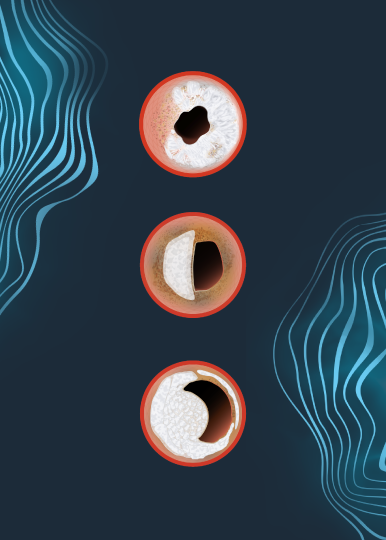
IVL is a newly available calcium modification technique. Acutely, IVL results in deep fissuring and fracturing of the calcium allowing stent expansion. How these fractures may heal following stenting was heretofore unknown. Exuberant healing could result in excessive instent restenosis, while lack of stent strut coverage could also increase the risk of stent thrombosis. Understanding the vascular healing following IVL is therefore an important research question which we aimed to answer in this study.


What additional insights were you able to conclude out of the OCT substudy?

The OCT substudy demonstrated preserved stent parameters from index procedure to follow up. Parameters assessed included stent expansion and minimum stent area which are two of the most important parameters for predicting stent failure. The paired OCT analysis demonstrated stent expansion of >85% both at index procedure and follow up. Additionally, the OCT findings demonstrated healthy neointimal coverage of stent struts suggesting good vascular healing post IVL use.


How will these findings impact your approach to calcium modification?

Durability of PCI outcomes is a very important concern for interventional cardiologists. Particularly in calcified coronary artery disease which as we know is a risk factor for stent failure due to stent under-expansion. We know that adequate calcium modification improves our acute PCI results by allowing stent expansion, but the durability of the result, and avoiding re-interventions, is what is most important for patient care. Overall our findings confirm that modifying calcium using IVL results in not just good acute outcomes, but also, reassuringly, durable longer-term outcomes.


Dr. McInerney is a paid consultant for Shockwave Medical.

Coronary Important Safety Information:

In the United States: Rx only.

Indications for Use—The Shockwave Intravascular Lithotripsy (IVL) System with the Shockwave C2 Coronary IVL Catheter is indicated for lithotripsy-enabled, low-pressure balloon dilatation of severely calcified, stenotic de novo coronary arteries prior to stenting.

Contraindications—The Shockwave C2 Coronary IVL System is contraindicated for the following: This device is not intended for stent delivery. This device is not intended for use in carotid or cerebrovascular arteries.

Warnings— Use the IVL Generator in accordance with recommended settings as stated in the Operator’s Manual. The risk of a dissection or perforation is increased in severely calcified lesions undergoing percutaneous treatment, including IVL. Appropriate provisional interventions should be readily available. Balloon loss of pressure was associated with a numerical increase in dissection which was not statistically significant and was not associated with MACE.  Analysis indicates calcium length is a predictor of dissection and balloon loss of pressure.  IVL generates mechanical pulses which may cause atrial or ventricular capture in bradycardic patients. In patients with implantable pacemakers and defibrillators, the asynchronous capture may interact with the sensing capabilities. Monitoring of the electrocardiographic rhythm and continuous arterial pressure during IVL treatment is required.  In the event of clinically significant hemodynamic effects, temporarily cease delivery of IVL therapy.

Precautions— Only to be used by physicians trained in angiography and intravascular coronary procedures. Use only the recommended balloon inflation medium. Hydrophilic coating to be wet only with normal saline or water and care must be taken with sharp objects to avoid damage to the hydrophilic coating. Appropriate anticoagulant therapy should be administered by the physician. Precaution should be taken when treating patients with previous stenting within 5mm of target lesion.

Potential adverse effects consistent with standard based cardiac interventions include– Abrupt vessel closure – Allergic reaction to contrast medium, anticoagulant and/or antithrombotic therapy-Aneurysm-Arrhythmia-Arteriovenous fistula-Bleeding complications-Cardiac tamponade or pericardial effusion-Cardiopulmonary arrest-Cerebrovascular accident (CVA)-Coronary artery/vessel occlusion, perforation, rupture or dissection-Coronary artery spasm-Death-Emboli (air, tissue, thrombus or atherosclerotic emboli)-Emergency or non-emergency coronary artery bypass surgery-Emergency or non-emergency percutaneous coronary intervention-Entry site complications-Fracture of the guide wire or failure/malfunction of any component of the device that may or may not lead to device embolism, dissection, serious injury or surgical intervention-Hematoma at the vascular access site(s)-Hemorrhage-Hypertension/Hypotension-Infection/sepsis/fever-Myocardial Infarction-Myocardial Ischemia or unstable angina-Pain-Peripheral Ischemia-Pseudoaneurysm-Renal failure/insufficiency-Restenosis of the treated coronary artery leading to revascularization-Shock/pulmonary edema-Slow flow, no reflow, or abrupt closure of coronary artery-Stroke-Thrombus-Vessel closure, abrupt-Vessel injury requiring surgical repair-Vessel dissection, perforation, rupture, or spasm. Risks identified as related to the device and its use: Allergic/immunologic reaction to the catheter material(s) or coating-Device malfunction, failure, or balloon loss of pressure leading to device embolism, dissection, serious injury or surgical intervention-Atrial or ventricular extrasystole-Atrial or ventricular capture.

Prior to use, please reference the Instructions for Use for more information on warnings, precautions and adverse events.  https://shockwavemedical.com/IFU

Please contact your local Shockwave representative for specific country availability and refer to the Shockwave C2 instructions for use containing important safety information.

Dr. Raj Pyne is a paid consultant for Shockwave Medical.

Peripheral IVL  

Shockwave M5+, Shockwave M5, Shockwave S4, Shockwave L6 and Shockwave E8 Safety Information  

In the United States: Rx only.  

Indications for Use—The Shockwave Medical Intravascular Lithotripsy (IVL) System is intended for lithotripsy-enhanced balloon dilatation of lesions, including calcified lesions, in the peripheral vasculature, including the iliac, femoral, ilio-femoral, popliteal, infra-popliteal, and renal arteries. Not for use in the coronary, carotid or cerebral vasculature.  

Contraindications—Do not use if unable to pass 0.014″ (M5, M5+, S4, E8) or 0.018″ (L6) guidewire across the lesion-Not intended for treatment of in-stent restenosis or in coronary, carotid, or cerebrovascular arteries.

Warnings—Only to be used by physicians who are familiar with interventional vascular procedures—Physicians must be trained prior to use of the device—Use the generator in accordance with recommended settings as stated in the Operator’s Manual. 

Precautions—use only the recommended balloon inflation medium—Appropriate anticoagulant therapy should be administered by the physician—Decision regarding use of distal protection should be made based on physician assessment of treatment lesion morphology. 

Adverse effects–Possible adverse effects consistent with standard angioplasty include–Access site complications–Allergy to contrast or blood thinner–Arterial bypass surgery—Bleeding complications—Death—Fracture of guidewire or device—Hypertension/Hypotension—Infection/sepsis—Placement of a stent—renal failure—Shock/pulmonary edema—target vessel stenosis or occlusion—Vascular complications. Risks unique to the device and its use—Allergy to catheter material(s)— Device malfunction or failure—Excess heat at target site. 

Prior to use, please reference the Instructions for Use for more information on indications, contraindications, warnings, precautions and adverse events. www.shockwavemedical.com/ifu  

In this case-based session, Prof. Michael Haude and Dr. Jonathan Hill lead a great panel in an interesting discussion about the new Shockwave C2+ catheter and demonstrate its use in complex calcified lesions such as bifurcations, eccentric calcium and nodular calcium.


The physicians featured are paid consultants for Shockwave Medical.
Coronary IVL

Shockwave C2 and Shockwave C2+ Safety Information

In the United States: Rx only.

Indications for Use – The Shockwave Intravascular Lithotripsy (IVL) System with the Shockwave C2 and C2+ Coronary IVL Catheter is indicated for lithotripsy-enabled, low-pressure balloon dilatation of severely calcified, stenotic de novo coronary arteries prior to stenting.

Contraindications – The Shockwave C2 and C2+ Coronary IVL System is contraindicated for the following: This device is not intended for stent delivery. This device is not intended for use in carotid or cerebrovascular arteries.

Warnings – Use the IVL Generator in accordance with recommended settings as stated in the Operator’s Manual. The risk of a dissection or perforation is increased in severely calcified lesions undergoing percutaneous treatment, including IVL. Appropriate provisional interventions should be readily available. Balloon loss of pressure was associated with a numerical increase in dissection which was not statistically significant and was not associated with MACE. Analysis indicates calcium length is a predictor of dissection and balloon loss of pressure. IVL generates mechanical pulses which may cause atrial or ventricular capture in bradycardic patients. In patients with implantable pacemakers and defibrillators, the asynchronous capture may interact with the sensing capabilities. Monitoring of the electrocardiographic rhythm and continuous arterial pressure during IVL treatment is required. In the event of clinically significant hemodynamic effects, temporarily cease delivery of IVL therapy.

Precautions – Only to be used by physicians trained in angiography and intravascular coronary procedures. Use only the recommended balloon inflation medium. Hydrophilic coating to be wet only with normal saline or water and care must be taken with sharp objects to avoid damage to the hydrophilic coating. Appropriate anticoagulant therapy should be administered by the physician. Precaution should be taken when treating patients with previous stenting within 5mm of target lesion.

Potential adverse effects consistent with standard based cardiac interventions include- Abrupt vessel closure – Allergic reaction to contrast medium, anticoagulant and/or antithrombotic therapy-Aneurysm-Arrhythmia-Arteriovenous fistula-Bleeding complications-Cardiac tamponade or pericardial effusion-Cardiopulmonary arrest-Cerebrovascular accident (CVA)-Coronary artery/vessel occlusion, perforation, rupture or dissection-Coronary artery spasm-Death-Emboli (air, tissue, thrombus or atherosclerotic emboli)-Emergency or nonemergency coronary artery bypass surgery-Emergency or nonemergency percutaneous coronary intervention-Entry site complications-Fracture of the guide wire or failure/malfunction of any component of the device that may or may not lead to device embolism, dissection, serious injury or surgical intervention-Hematoma at the vascular access site(s)- Hemorrhage-Hypertension/Hypotension-Infection/sepsis/fever-Myocardial Infarction-Myocardial Ischemia or unstable angina-Pain-Peripheral Ischemia-Pseudoaneurysm-Renal failure/insufficiency-Restenosis of the treated coronary artery leading to revascularization-Shock/pulmonary edema-Slow flow, no reflow, or abrupt closure of coronary artery-Stroke Thrombus-Vessel closure, abrupt-Vessel injury requiring surgical repair-Vessel dissection, perforation, rupture, or spasm.

Risks identified as related to the device and its use: Allergic/immunologic reaction to the catheter material(s) or coating-Device malfunction, failure, or balloon loss of pressure leading to device embolism, dissection, serious injury or surgical intervention-Atrial or ventricular extrasystole-Atrial or ventricular capture.

Prior to use, please reference the Instructions for Use for more information on indications, contraindications, warnings, precautions and adverse events. www.shockwavemedical.com/IFU.

Dr. Peter O’Kane reviews a bifurcation left main case with eccentric calcification.


Dr. O’Kane is a paid consultant for Shockwave Medical.

Coronary IVL

Shockwave C2 and Shockwave C2+ Safety Information

In the United States: Rx only.

Indications for Use – The Shockwave Intravascular Lithotripsy (IVL) System with the Shockwave C2 and C2+ Coronary IVL Catheter is indicated for lithotripsy-enabled, low-pressure balloon dilatation of severely calcified, stenotic de novo coronary arteries prior to stenting.

Contraindications – The Shockwave C2 and C2+ Coronary IVL System is contraindicated for the following: This device is not intended for stent delivery. This device is not intended for use in carotid or cerebrovascular arteries.

Warnings – Use the IVL Generator in accordance with recommended settings as stated in the Operator’s Manual. The risk of a dissection or perforation is increased in severely calcified lesions undergoing percutaneous treatment, including IVL. Appropriate provisional interventions should be readily available. Balloon loss of pressure was associated with a numerical increase in dissection which was not statistically significant and was not associated with MACE. Analysis indicates calcium length is a predictor of dissection and balloon loss of pressure. IVL generates mechanical pulses which may cause atrial or ventricular capture in bradycardic patients. In patients with implantable pacemakers and defibrillators, the asynchronous capture may interact with the sensing capabilities. Monitoring of the electrocardiographic rhythm and continuous arterial pressure during IVL treatment is required. In the event of clinically significant hemodynamic effects, temporarily cease delivery of IVL therapy.

Precautions – Only to be used by physicians trained in angiography and intravascular coronary procedures. Use only the recommended balloon inflation medium. Hydrophilic coating to be wet only with normal saline or water and care must be taken with sharp objects to avoid damage to the hydrophilic coating. Appropriate anticoagulant therapy should be administered by the physician. Precaution should be taken when treating patients with previous stenting within 5mm of target lesion.

Potential adverse effects consistent with standard based cardiac interventions include- Abrupt vessel closure – Allergic reaction to contrast medium, anticoagulant and/or antithrombotic therapy-Aneurysm-Arrhythmia-Arteriovenous fistula-Bleeding complications-Cardiac tamponade or pericardial effusion-Cardiopulmonary arrest-Cerebrovascular accident (CVA)-Coronary artery/vessel occlusion, perforation, rupture or dissection-Coronary artery spasm-Death-Emboli (air, tissue, thrombus or atherosclerotic emboli)-Emergency or nonemergency coronary artery bypass surgery-Emergency or nonemergency percutaneous coronary intervention-Entry site complications-Fracture of the guide wire or failure/malfunction of any component of the device that may or may not lead to device embolism, dissection, serious injury or surgical intervention-Hematoma at the vascular access site(s)- Hemorrhage-Hypertension/Hypotension-Infection/sepsis/fever-Myocardial Infarction-Myocardial Ischemia or unstable angina-Pain-Peripheral Ischemia-Pseudoaneurysm-Renal failure/insufficiency-Restenosis of the treated coronary artery leading to revascularization-Shock/pulmonary edema-Slow flow, no reflow, or abrupt closure of coronary artery-Stroke Thrombus-Vessel closure, abrupt-Vessel injury requiring surgical repair-Vessel dissection, perforation, rupture, or spasm.

Risks identified as related to the device and its use: Allergic/immunologic reaction to the catheter material(s) or coating-Device malfunction, failure, or balloon loss of pressure leading to device embolism, dissection, serious injury or surgical intervention-Atrial or ventricular extrasystole-Atrial or ventricular capture.

Prior to use, please reference the Instructions for Use for more information on indications, contraindications, warnings, precautions and adverse events. www.shockwavemedical.com/IFU.

Dr. Nieves Gonzalo guides us through the last 5 years of Coronary IVL. Prof. Javier Escaned and Dr. Ashok Seth share their experience in real-life cases with IVL for calcium modification, while Drs. Ziad Ali and Ana Belen Cid Alvarez highlight the results of clinical studies showing the efficacy of IVL.


The physicians featured are paid consultants for Shockwave Medical.

Prof. James Spratt and Dr. Angela McInerney discussing the impact of Coronary IVL on clinical practice over the last five years at PCR Roundtable.

EuroPCR 2023 was a real blast for Shockwave Medical! Three sponsored sessions, two featured live cases, one interview on PCR TV and many, many invaluable conversations at our booth. Thank you to all of you who attended for making this our best EuroPCR so far!  

In case you didn’t make it or would like to watch the Shockwave Medical sessions again, here are the main highlights and recordings:


MORE PULSES TO TAKE YOU FURTHER ACROSS ALL CALCIUM MORPHOLOGIES

Rewatch our Case in Point if you want to hear:

  • Dr. C. Cosgrove explaining IVL MOA and highlighting Shockwave C2+ key features.
  • Prof. C. Di Mario, Dr. C. Hanratty and Dr. S. Harb sharing great case examples of IVL across a range of calcium morphologies.

IVL IN THE REAL WORLD: THE REVOLUTION CONTINUES

  • Prof. J. Escaned shared his 5-year journey with IVL and lessons learned along the way. 
  • Dr. Z. Ali presented the recent data from atherosclerotic cadaver study on the evaluation of IVL fractures by histology, OCT and Micro-CT. 
  • Dr. A. Cid Alvarez presented REPLICA-EPIC18 data, the first perspective real-world data set with 1-year clinical follow-up, confirming that IVL is consistently safe and effective in a real-world complex patient population.
  • Dr. A. Seth presented a couple of cases with heavily calcified lesions from the Indian Registry that will be showed at TCT later this year.

CORONARY SINUS REDUCER*: INSIGHTS INTO TREATING REFRACTORY ANGINA PATIENTS WITH OBSTRUCTIVE AND NON-OBSTRUCTIVE CAD

In this session,  the faculty did an excellent job explaining:

  • How the Reducer helps patients with refractory angina
  • Reviewing the most relevant clinical data
  • Showing how to implant the device in the coronary sinus

*This content is intended for European audiences only.  Reducer is a US investigational device limited by US law to investigational use only.

EUROPCR INTERVIEWS

Watch this PCR Round Table Discussion with Prof J. Spratt and Dr. A. McInerney to learn about new developments in IVL after 5 years of clinical practice.


SHOCKWAVE C2+ LIVE IN ACTION

Don’t miss the EuroPCR live cases featuring Shockwave IVL. Rewatch the sessions following the links below to the PCR Online webpage*.

CALCIFIED LESIONS:  LIVE Case from Institut Cardiovasculaire Paris Sud, Massy – France

https://course.pcronline.com/index.php/en/vod/calcified-lesions-live-case-institut-cardiovasculaire-paris-sud-massy-france

BIFURCATION:  LIVE Case from Policlinico Universitario Fondazione Agostino Gemelli, Rome – Italy

https://course.pcronline.com/en/vod/bifurcation-live-case-policlinico-universitario-fondazione-gemelli-rome-italy


*These links require access to the EuroPCR 2023 content via subscription 


Coronary Important Safety Information:

In the United States: Rx only.

Indications for Use—The Shockwave Intravascular Lithotripsy (IVL) System with the Shockwave C2 Coronary IVL Catheter is indicated for lithotripsy-enabled, low-pressure balloon dilatation of severely calcified, stenotic de novo coronary arteries prior to stenting.

Contraindications—The Shockwave C2 Coronary IVL System is contraindicated for the following: This device is not intended for stent delivery. This device is not intended for use in carotid or cerebrovascular arteries.

Warnings— Use the IVL Generator in accordance with recommended settings as stated in the Operator’s Manual. The risk of a dissection or perforation is increased in severely calcified lesions undergoing percutaneous treatment, including IVL. Appropriate provisional interventions should be readily available. Balloon loss of pressure was associated with a numerical increase in dissection which was not statistically significant and was not associated with MACE.  Analysis indicates calcium length is a predictor of dissection and balloon loss of pressure.  IVL generates mechanical pulses which may cause atrial or ventricular capture in bradycardic patients. In patients with implantable pacemakers and defibrillators, the asynchronous capture may interact with the sensing capabilities. Monitoring of the electrocardiographic rhythm and continuous arterial pressure during IVL treatment is required.  In the event of clinically significant hemodynamic effects, temporarily cease delivery of IVL therapy.

Precautions— Only to be used by physicians trained in angiography and intravascular coronary procedures. Use only the recommended balloon inflation medium. Hydrophilic coating to be wet only with normal saline or water and care must be taken with sharp objects to avoid damage to the hydrophilic coating. Appropriate anticoagulant therapy should be administered by the physician. Precaution should be taken when treating patients with previous stenting within 5mm of target lesion.

Potential adverse effects consistent with standard based cardiac interventions include– Abrupt vessel closure – Allergic reaction to contrast medium, anticoagulant and/or antithrombotic therapy-Aneurysm-Arrhythmia-Arteriovenous fistula-Bleeding complications-Cardiac tamponade or pericardial effusion-Cardiopulmonary arrest-Cerebrovascular accident (CVA)-Coronary artery/vessel occlusion, perforation, rupture or dissection-Coronary artery spasm-Death-Emboli (air, tissue, thrombus or atherosclerotic emboli)-Emergency or non-emergency coronary artery bypass surgery-Emergency or non-emergency percutaneous coronary intervention-Entry site complications-Fracture of the guide wire or failure/malfunction of any component of the device that may or may not lead to device embolism, dissection, serious injury or surgical intervention-Hematoma at the vascular access site(s)-Hemorrhage-Hypertension/Hypotension-Infection/sepsis/fever-Myocardial Infarction-Myocardial Ischemia or unstable angina-Pain-Peripheral Ischemia-Pseudoaneurysm-Renal failure/insufficiency-Restenosis of the treated coronary artery leading to revascularization-Shock/pulmonary edema-Slow flow, no reflow, or abrupt closure of coronary artery-Stroke-Thrombus-Vessel closure, abrupt-Vessel injury requiring surgical repair-Vessel dissection, perforation, rupture, or spasm. Risks identified as related to the device and its use: Allergic/immunologic reaction to the catheter material(s) or coating-Device malfunction, failure, or balloon loss of pressure leading to device embolism, dissection, serious injury or surgical intervention-Atrial or ventricular extrasystole-Atrial or ventricular capture.

Prior to use, please reference the Instructions for Use for more information on warnings, precautions and adverse events.  https://shockwavemedical.com/IFU

Please contact your local Shockwave representative for specific country availability and refer to the Shockwave C2 instructions for use containing important safety information.
 

Neovasc Reducer Important Safety Information

Intended for physicians in countries with Reducer commercially available. Please contact your local representative for specific country availability.
Prior to use, please reference the Instructions for Use for more information on warnings, precautions and adverse events: ifu.neovasc.com.
Caution: In the United States, Reducer is an investigational device, limited by United States law to investigational use.

Treating Challenging Calcium Morphologies with the new Shockwave C2+

Hot off the press! Check out the latest Cardiovascular News supplement sponsored by Shockwave Medical.

This set of articles has a fresh perspective on today’s management of coronary calcium. It includes a deep dive into the use of intravascular lithotripsy for treating calcified nodules, and early experience with the new Shockwave C2+ coronary catheter.

Dr. Tom Johnson (University Hospitals Bristol & Weston NHS Foundation Trust, Bristol, UK) outlines how Shockwave IVL disrupted the landscape of UK interventional cardiology early in 2018. When introduced, it generated renewed enthusiasm for the management of complex calcific coronary disease and it impacted coronary calcium treatment in his centre over these last five years. Simplicity of use has been pivotal to make IVL the ‘go-to’ adjunctive tool for calcium modification.

The second article focuses on management of eccentric and nodular calcium, frequently present in CAC, associated with poor PCI outcomes and adverse long-term results. Dr. Nicolas Amabile (Institut Mutualiste Montsouris, Paris, France) discusses the best strategies to adequately manage these calcium morphologies and reports a case in which IVL was successfully used to treat calcified nodules in a challenging location.

Dr. Kambis Mashayekhi and his team at Herzzentrum Lahr/Baden (Lahr, Germany) detail their intravascular lithotripsy journey in the last article. They explain how the new Shockwave C2+ catheter can change the treatment of calcified coronary lesions and share a case study involving a diffuse calcified left main bifurcation.

Read the Publication


Drs. Spratt and Wilson are paid consultants for Shockwave Medical.

Coronary Important Safety Information:

In the United States: Rx only.

Indications for Use—The Shockwave Intravascular Lithotripsy (IVL) System with the Shockwave C2 Coronary IVL Catheter is indicated for lithotripsy-enabled, low-pressure balloon dilatation of severely calcified, stenotic de novo coronary arteries prior to stenting.

Contraindications—The Shockwave C2 Coronary IVL System is contraindicated for the following: This device is not intended for stent delivery. This device is not intended for use in carotid or cerebrovascular arteries.

Warnings— Use the IVL Generator in accordance with recommended settings as stated in the Operator’s Manual. The risk of a dissection or perforation is increased in severely calcified lesions undergoing percutaneous treatment, including IVL. Appropriate provisional interventions should be readily available. Balloon loss of pressure was associated with a numerical increase in dissection which was not statistically significant and was not associated with MACE.  Analysis indicates calcium length is a predictor of dissection and balloon loss of pressure.  IVL generates mechanical pulses which may cause atrial or ventricular capture in bradycardic patients. In patients with implantable pacemakers and defibrillators, the asynchronous capture may interact with the sensing capabilities. Monitoring of the electrocardiographic rhythm and continuous arterial pressure during IVL treatment is required.  In the event of clinically significant hemodynamic effects, temporarily cease delivery of IVL therapy.

Precautions— Only to be used by physicians trained in angiography and intravascular coronary procedures. Use only the recommended balloon inflation medium. Hydrophilic coating to be wet only with normal saline or water and care must be taken with sharp objects to avoid damage to the hydrophilic coating. Appropriate anticoagulant therapy should be administered by the physician. Precaution should be taken when treating patients with previous stenting within 5mm of target lesion.

Potential adverse effects consistent with standard based cardiac interventions include– Abrupt vessel closure – Allergic reaction to contrast medium, anticoagulant and/or antithrombotic therapy-Aneurysm-Arrhythmia-Arteriovenous fistula-Bleeding complications-Cardiac tamponade or pericardial effusion-Cardiopulmonary arrest-Cerebrovascular accident (CVA)-Coronary artery/vessel occlusion, perforation, rupture or dissection-Coronary artery spasm-Death-Emboli (air, tissue, thrombus or atherosclerotic emboli)-Emergency or non-emergency coronary artery bypass surgery-Emergency or non-emergency percutaneous coronary intervention-Entry site complications-Fracture of the guide wire or failure/malfunction of any component of the device that may or may not lead to device embolism, dissection, serious injury or surgical intervention-Hematoma at the vascular access site(s)-Hemorrhage-Hypertension/Hypotension-Infection/sepsis/fever-Myocardial Infarction-Myocardial Ischemia or unstable angina-Pain-Peripheral Ischemia-Pseudoaneurysm-Renal failure/insufficiency-Restenosis of the treated coronary artery leading to revascularization-Shock/pulmonary edema-Slow flow, no reflow, or abrupt closure of coronary artery-Stroke-Thrombus-Vessel closure, abrupt-Vessel injury requiring surgical repair-Vessel dissection, perforation, rupture, or spasm. Risks identified as related to the device and its use: Allergic/immunologic reaction to the catheter material(s) or coating-Device malfunction, failure, or balloon loss of pressure leading to device embolism, dissection, serious injury or surgical intervention-Atrial or ventricular extrasystole-Atrial or ventricular capture.

Prior to use, please reference the Instructions for Use for more information on warnings, precautions and adverse events.  https://shockwavemedical.com/IFU

Please contact your local Shockwave representative for specific country availability and refer to the Shockwave C2 instructions for use containing important safety information.
We sat down with Dr. Neel Butala, Interventional Cardiologist, University of Colorado Anschutz School of Medicine, University of Colorado Hospital after presenting the first results from his SCAI Early Career Research Award, “Use of Calcium Modification for Coronary Lesions after Introduction of Coronary IVL: National Trends and Hospital Variation” at SCAI2023 to get his perspective on the first data cut.

View Dr. Butala’s presentation here.


How has Shockwave coronary IVL impacted the calcium modification landscape?

Dr. Butala: Coronary IVL has dramatically changed how people treat coronary calcium. In a little over two years since initial approval in the United States, coronary IVL became the most frequently used calcium modification strategy for treatment of coronary lesions. Although it displaced other forms of calcium modification slightly, the spread of coronary IVL has generally led to an overall increase in use of calcium modification strategies. However, it is important to keep in mind that the dissemination of this technology has not been even. There is wide variation in use of calcium modification strategies as well as in use of coronary IVL in particular. As the landscape of calcium modification continues to evolve and this technology is introduced to more centers, I suspect that use of coronary IVL will continue to grow.


How would you interpret these findings – why is this so?

Dr. Butala: Our findings on trends in use of calcium modification strategies suggest that coronary IVL is truly a game changer. The speed with which coronary IVL has become the dominant calcium modification strategy speaks to the benefits of the technology and ease of use.


What are your key takeaways from this research project so far?

Dr. Butala: My key takeaways are that the introduction of coronary IVL has rapidly changed how physicians treat calcified coronary lesions and has led to greater use of calcium modification strategies overall. However, there is still wide variation in use of calcium modification strategies as well as coronary IVL and these are used in only a minority of cases at most centers.


How do these findings align with your current practice?

Dr. Butala: The findings make sense to me and reflect my practice. Since introduction of coronary IVL, my approach to calcified lesions has changed considerably. I am using IVL in many cases that would have previously required atherectomy, and I am also more comfortable taking on challenging lesions now that I have IVL in my toolbelt.


Were any of the findings surprising to you?

Dr. Butala: I was most surprised by how quickly IVL took over to become the most commonly used calcium strategy.


How do you anticipate the IC community to react to this data?

Dr. Butala: I think this will be in line with what many expected. I also think this will encourage more physicians to try coronary IVL if they haven’t already.


What should we look for next as you further dig into this topic?

Dr. Butala: The next step is for me to look at predictors of calcium modification strategy and IVL use to see if there are any disparities in care. Coronary IVL is a great case study in dissemination of a novel technology in the IC community, and it is important to investigate whether anyone was left behind. I also hope to update the trends and variation analyses with additional quarters of data and present it at a future meeting.


Dr. Neel Butala is a paid consultant for Shockwave Medical.

Coronary Important Safety Information:

In the United States: Rx only.

Indications for Use—The Shockwave Intravascular Lithotripsy (IVL) System with the Shockwave C2 Coronary IVL Catheter is indicated for lithotripsy-enabled, low-pressure balloon dilatation of severely calcified, stenotic de novo coronary arteries prior to stenting.

Contraindications—The Shockwave C2 Coronary IVL System is contraindicated for the following: This device is not intended for stent delivery. This device is not intended for use in carotid or cerebrovascular arteries.

Warnings— Use the IVL Generator in accordance with recommended settings as stated in the Operator’s Manual. The risk of a dissection or perforation is increased in severely calcified lesions undergoing percutaneous treatment, including IVL. Appropriate provisional interventions should be readily available. Balloon loss of pressure was associated with a numerical increase in dissection which was not statistically significant and was not associated with MACE.  Analysis indicates calcium length is a predictor of dissection and balloon loss of pressure.  IVL generates mechanical pulses which may cause atrial or ventricular capture in bradycardic patients. In patients with implantable pacemakers and defibrillators, the asynchronous capture may interact with the sensing capabilities. Monitoring of the electrocardiographic rhythm and continuous arterial pressure during IVL treatment is required.  In the event of clinically significant hemodynamic effects, temporarily cease delivery of IVL therapy.

Precautions— Only to be used by physicians trained in angiography and intravascular coronary procedures. Use only the recommended balloon inflation medium. Hydrophilic coating to be wet only with normal saline or water and care must be taken with sharp objects to avoid damage to the hydrophilic coating. Appropriate anticoagulant therapy should be administered by the physician. Precaution should be taken when treating patients with previous stenting within 5mm of target lesion.

Potential adverse effects consistent with standard based cardiac interventions include– Abrupt vessel closure – Allergic reaction to contrast medium, anticoagulant and/or antithrombotic therapy-Aneurysm-Arrhythmia-Arteriovenous fistula-Bleeding complications-Cardiac tamponade or pericardial effusion-Cardiopulmonary arrest-Cerebrovascular accident (CVA)-Coronary artery/vessel occlusion, perforation, rupture or dissection-Coronary artery spasm-Death-Emboli (air, tissue, thrombus or atherosclerotic emboli)-Emergency or non-emergency coronary artery bypass surgery-Emergency or non-emergency percutaneous coronary intervention-Entry site complications-Fracture of the guide wire or failure/malfunction of any component of the device that may or may not lead to device embolism, dissection, serious injury or surgical intervention-Hematoma at the vascular access site(s)-Hemorrhage-Hypertension/Hypotension-Infection/sepsis/fever-Myocardial Infarction-Myocardial Ischemia or unstable angina-Pain-Peripheral Ischemia-Pseudoaneurysm-Renal failure/insufficiency-Restenosis of the treated coronary artery leading to revascularization-Shock/pulmonary edema-Slow flow, no reflow, or abrupt closure of coronary artery-Stroke-Thrombus-Vessel closure, abrupt-Vessel injury requiring surgical repair-Vessel dissection, perforation, rupture, or spasm. Risks identified as related to the device and its use: Allergic/immunologic reaction to the catheter material(s) or coating-Device malfunction, failure, or balloon loss of pressure leading to device embolism, dissection, serious injury or surgical intervention-Atrial or ventricular extrasystole-Atrial or ventricular capture.

Prior to use, please reference the Instructions for Use for more information on warnings, precautions and adverse events.  https://shockwavemedical.com/IFU

Please contact your local Shockwave representative for specific country availability and refer to the Shockwave C2 instructions for use containing important safety information.
We asked Prof. James Spratt and Dr. Simon Wilson to share their IVL journey since the launch of Shockwave C2 five years ago and their initial experience with the new Shockwave C2+. Regardless of the physicians experience, the overall opinion is the same: “IVL is quick to learn, easy to use, very safe, and effective across a broad range of calcium types that other technologies can’t compete with. It has changed the landscape for calcium modification and the new Shockwave C2+ catheter continues to expand physicians ability to deal effectively and safely with severe calcium in a broader range of patients.” Read more below:

Shockwave Medical launched its coronary catheter, Shockwave C2, five years ago and you were one of the first consultants using IVL. Can you take us back to the beginning to the first time you used it and what your thoughts were?

Prof. Spratt: With the initial launch, we were very curious to understand whether the product worked! Often where there is hype, it is swiftly followed by disappointment, but not in this case. Instrumental to our understanding of how and where IVL worked was our use of intravascular imaging. It was highly instructive to see fractures in previously rigid calcium and highly rewarding to get excellent results in challenging patients. Yet, despite the impressive efficacy, the safety profile is what reassured us to continue to explore what IVL could offer.

Your generation was once referred to as the “IVL generation.” Can you tell us about your experience with coronary intravascular lithotripsy (IVL) and how it influenced and shaped your treatment algorithm for calcified lesions?

Dr. Wilson: I was a keen user of atherectomy but quite often felt a bit disappointed with the outcome and never felt that cutting or high-pressure balloons were remotely suited to dealing with severe calcium. IVL has been hugely impactful to my practice. It is so easy to use, extremely safe, and just makes sense in terms of the mechanism of action. There is no doubt that having IVL available has allowed me to treat a much wider range of calcium types in a broader range of patients with a high degree of confidence in the devices safety and the final result.

How did IVL change your approach to the treatment of calcified lesions? Can you comment on your contemporary calcium algorithm compared to five years ago when IVL was introduced?

Prof. Spratt: Prior to the introduction of IVL, the options for treating patients with severe calcified coronary artery disease (CCAD) were limited. We frequently used rotational atherectomy and indeed continue to do so, but were aware of its limitations in failing to address deep calcium or indeed performing significant debulking. Following rota, all the other options were balloon-based, with the attendant limitations in nodular or eccentric calcium. This led to safety concerns over high-pressure balloon inflation & the risks of vessel perforation and ultimately led to less good clinical outcomes for patients. It is fair to say that IVL changed this landscape fundamentally & is now the treatment of choice for virtually all types of CCAD. Rotational atherectomy remains the treatment of choice for critical or uncrossable lesions, but beyond this, if the calcium burden is significant, IVL is the therapy of choice.

How would you describe the mechanism of action of IVL to your colleagues that are just starting with IVL? How does it compare with other specialty balloons?

Dr. Wilson: Non-compliant, cutting, and OPN balloons all work through applying hydrostatic force and are therefore not selective for calcium. On inflation, they will invariably expand away from resistance and with high-pressure inflations, risk major barotrauma. IVL as we know uses shockwaves that travel through the vessel wall generating disruptive forces only when calcium is encountered. IVL is therefore selective for calcium and can modify both superficial and deeper calcium as well as eccentric, concentric and nodular sub-types. Where there is significant calcium that has not resolved with an NC balloon at standard pressures, I no longer see an obvious role for anything other than IVL or atherectomy.

As one of the leading IVL centers in Europe, you had the chance to test first-hand the new Shockwave C2+ catheter with 50% more pulses. In general, what are your impressions of Shockwave C2+?

Prof. Spratt: We have been pleased. It extends the possibilities of IVL, enabling us to target more challenging lesions, such as nodular calcium, or longer lesions. There appears to be no durability or safety trade-off, so the access to 50% more “shocks” for the same cost is a win-win.

What case types or patient types that you believe the new Shockwave C2+ can better address compared to Shockwave C2?

Dr. Wilson: Broadly speaking, the impact of balloons relates to the hydrostatic force applied. Atherectomy depends on the contact area, whereas IVL can be thought of in terms of energy (or pulses) applied. The 50% increase in pulses gives you the confidence to deal with longer segments of severe calcium or two vessel calcific disease, where previously you might be reaching for atherectomy. I also find the extra pulses can be especially useful in thick eccentric calcium, as we know this type of calcium can often need a bit more energy to resolve.

Do you have any tips to share with people who are just starting to use IVL, particularly for the new catheter with 120 pulses?

Prof. Spratt: The first “tip” is to watch the Shockwave Calcium Masterclass series! This will provide a solid understanding of both the technology and lesion understanding. As with any technology, understanding the goals of therapy, in this case restoration of vessel compliance sufficient to allow full stent expansion, is critical. To properly integrate IVL into your practice, intravascular imaging is essential. The Masterclass series, produced in partnership with Optima Education is foundational in this respect and highly recommended.

Can you explain what “pulse management” with IVL means and how do you think about applying pulses when you’re treating different types of calcium morphologies? Will your pulse management strategies change with 120 pulses?

Dr. Wilson: To get the most out of IVL, it’s important to focus therapy on the most resistant segments. If it is a short segment of calcific disease, then it’s easy – put all the energy into that one spot. However, it’s very common to be dealing with much longer segments of calcific disease and although the C2+ gives you more margin, it’s still important to concentrate the majority of pulses into the most resistant segment or segments. I therefore make sure to understand where the most severe calcium on imaging is located angiographically and I almost always attempt pre-dilatation with a standard balloon ahead of IVL to understand where the greatest resistance is. Armed with this knowledge I then work from distal to proximal, covering the entire calcific segment with IVL but focusing the majority of pulses into the most resistant segments.

Will your calcium algorithm change with the introduction of Shockwave C2+? If so, can you take us through the changes?

Prof. Spratt: The most obvious iteration will be the ability to address longer sections of disease, or by targeting nodular or eccentric calcium. Important questions remain around what is the threshold of calcium that requires IVL; how best to identify an effective response, especially in nodular calcium and pulse management. We remain excited to explore these questions through research and education, what this space!


Drs. Spratt and Wilson are paid consultants for Shockwave Medical.

Coronary Important Safety Information:

In the United States: Rx only.

Indications for Use—The Shockwave Intravascular Lithotripsy (IVL) System with the Shockwave C2 Coronary IVL Catheter is indicated for lithotripsy-enabled, low-pressure balloon dilatation of severely calcified, stenotic de novo coronary arteries prior to stenting.

Contraindications—The Shockwave C2 Coronary IVL System is contraindicated for the following: This device is not intended for stent delivery. This device is not intended for use in carotid or cerebrovascular arteries.

Warnings— Use the IVL Generator in accordance with recommended settings as stated in the Operator’s Manual. The risk of a dissection or perforation is increased in severely calcified lesions undergoing percutaneous treatment, including IVL. Appropriate provisional interventions should be readily available. Balloon loss of pressure was associated with a numerical increase in dissection which was not statistically significant and was not associated with MACE.  Analysis indicates calcium length is a predictor of dissection and balloon loss of pressure.  IVL generates mechanical pulses which may cause atrial or ventricular capture in bradycardic patients. In patients with implantable pacemakers and defibrillators, the asynchronous capture may interact with the sensing capabilities. Monitoring of the electrocardiographic rhythm and continuous arterial pressure during IVL treatment is required.  In the event of clinically significant hemodynamic effects, temporarily cease delivery of IVL therapy.

Precautions— Only to be used by physicians trained in angiography and intravascular coronary procedures. Use only the recommended balloon inflation medium. Hydrophilic coating to be wet only with normal saline or water and care must be taken with sharp objects to avoid damage to the hydrophilic coating. Appropriate anticoagulant therapy should be administered by the physician. Precaution should be taken when treating patients with previous stenting within 5mm of target lesion.

Potential adverse effects consistent with standard based cardiac interventions include– Abrupt vessel closure – Allergic reaction to contrast medium, anticoagulant and/or antithrombotic therapy-Aneurysm-Arrhythmia-Arteriovenous fistula-Bleeding complications-Cardiac tamponade or pericardial effusion-Cardiopulmonary arrest-Cerebrovascular accident (CVA)-Coronary artery/vessel occlusion, perforation, rupture or dissection-Coronary artery spasm-Death-Emboli (air, tissue, thrombus or atherosclerotic emboli)-Emergency or non-emergency coronary artery bypass surgery-Emergency or non-emergency percutaneous coronary intervention-Entry site complications-Fracture of the guide wire or failure/malfunction of any component of the device that may or may not lead to device embolism, dissection, serious injury or surgical intervention-Hematoma at the vascular access site(s)-Hemorrhage-Hypertension/Hypotension-Infection/sepsis/fever-Myocardial Infarction-Myocardial Ischemia or unstable angina-Pain-Peripheral Ischemia-Pseudoaneurysm-Renal failure/insufficiency-Restenosis of the treated coronary artery leading to revascularization-Shock/pulmonary edema-Slow flow, no reflow, or abrupt closure of coronary artery-Stroke-Thrombus-Vessel closure, abrupt-Vessel injury requiring surgical repair-Vessel dissection, perforation, rupture, or spasm.

Risks identified as related to the device and its use: Allergic/immunologic reaction to the catheter material(s) or coating-Device malfunction, failure, or balloon loss of pressure leading to device embolism, dissection, serious injury or surgical intervention-Atrial or ventricular extrasystole-Atrial or ventricular capture.

Prior to use, please reference the Instructions for Use for more information on warnings, precautions and adverse events.  https://shockwavemedical.com/IFU

Please contact your local Shockwave representative for specific country availability and refer to the Shockwave C2 instructions for use containing important safety information.