
COSIRA II Clinical Trial
This multicenter, randomized trial is designed to evaluate a novel therapeutic option for treating recurring, chronic angina (also called refractory angina) – now enrolling patients in the U.S.


Recurring, Chronic Angina Patients: An Underserved Population
Usually a symptom of myocardial ischemia (a lack of blood flow to the heart muscle), angina may feel like pressure or squeezing in the chest and/or pain in the shoulders, arms, neck, jaw or back. Many patients experiencing angina suffer symptoms that are severe, long-lasting and uncontrollable by traditional medical therapies. This severely debilitating condition is known as recurring, chronic angina, or refractory angina.
- Angina pain is often a symptom of coronary artery disease (CAD), when plaque buildup occurs in the arteries supplying the oxygen-rich blood to the heart, forcing the heart to work harder.
- Many patients can get relief from their angina through revascularization from a coronary intervention or surgery. However, 20–40% continue to suffer from angina even after successful revascularization.1, 2
- Angina with nonobstructive coronary arteries (ANOCA) is increasingly recognized and may affect nearly half of all patients with angina.3
Researching Percutaneous Treatment Options for Recurring, Chronic Angina
Shockwave Reducer, an investigational device in the United States currently being studied in the COSIRA II trial (COSIRA = COronary SInus Reducer for treatment of Refractory Angina II), is an innovative technology designed to treat symptoms of recurring, chronic angina by creating a permanent, controlled narrowing of the coronary sinus. The resulting increase in back pressure reduces angina symptoms by a hypothesized redistribution of blood into the ischemic myocardium.4

COSIRA II is Currently Enrolling Patients

COSIRA II is a multicenter, randomized, double-blinded, sham-controlled clinical trial that is currently enrolling participants. It is designed to evaluate the safety and effectiveness of Shockwave Reducer, a new investigational device in the U.S. for the treatment of adults with recurring, chronic angina when additional medical therapy and procedures are not an option.
A non-randomized single-arm will further assess the safety and effectiveness of the Shockwave Reducer in three additional patient types:
- Patients with reversible myocardial ischemia in the distribution of the right coronary artery and who are deemed unsuitable for revascularization
- Patients with reversible myocardial ischemia without documented obstructive coronary disease
- Patients who cannot complete an exercise tolerance test due to an above-the-ankle amputation
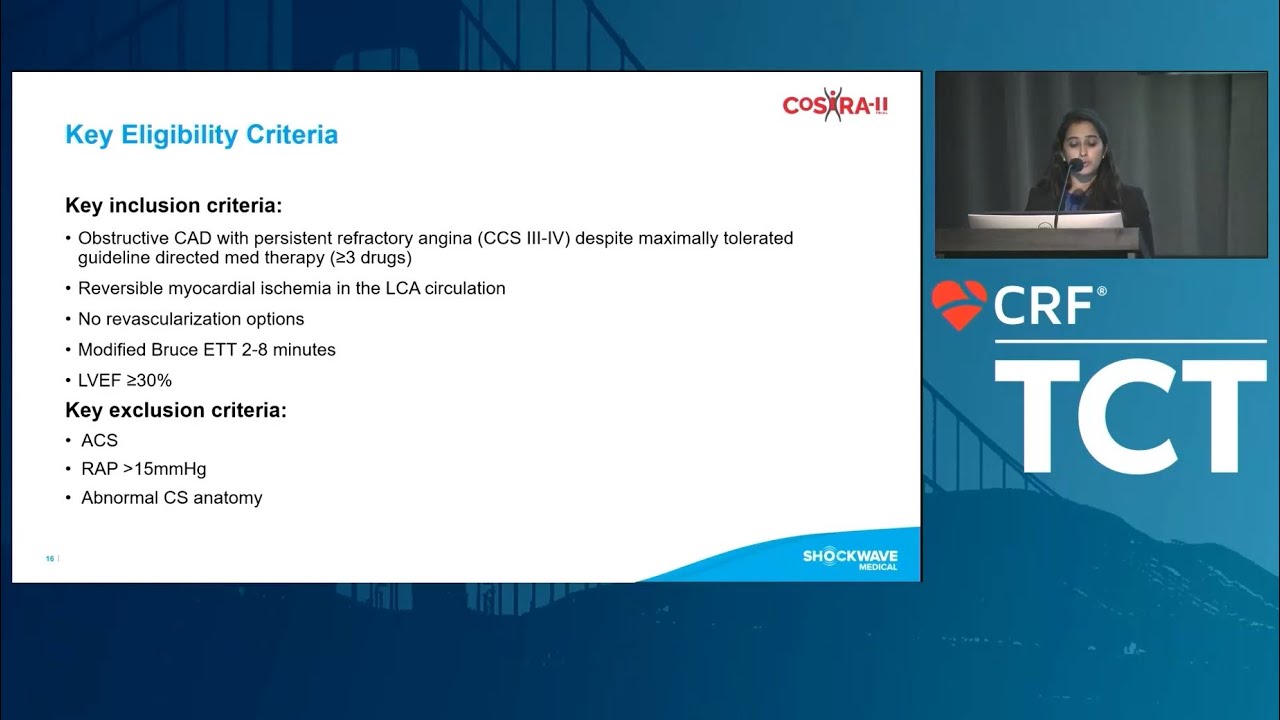
COSIRA II Target Patients
-
Severe angina Canadian Cardiovascular Society (CCS) class III & IV
-
Ongoing epicardial disease with no revascularization options
-
Persistent angina symptoms despite optimal medical therapy

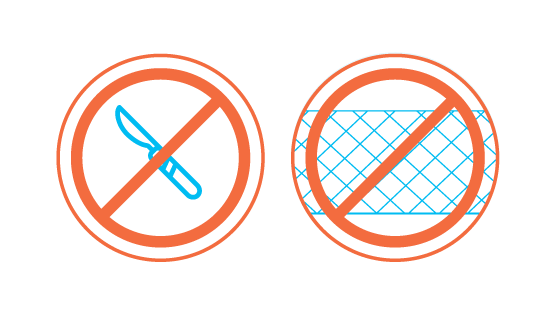
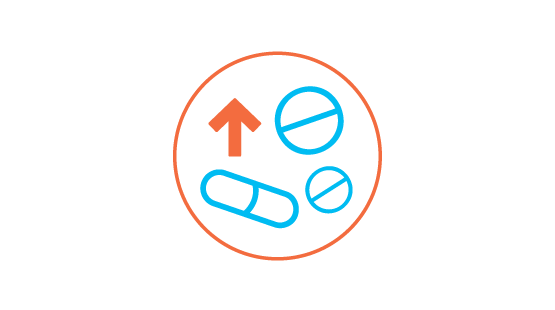
For a full list of inclusion and exclusion criteria, visit: Study Details | Efficacy of the COronary SInus Reducer in Patients with Refractory Angina II | ClinicalTrials.gov
COSIRA II Participating Sites
Building on Clinical Data: COSIRA II Trial
Currently enrolling: COSIRA II is the next-phase clinical trial designed to gather further evidence of the safety and effectiveness of Shockwave Reducer. The study is a U.S.-based, multicenter, randomized, double-blind, sham-controlled trial. ClinicalTrials.gov Identifier: NCT05102019.
-
COSIRA II Symposium: The Coronary Sinus Reducer
-
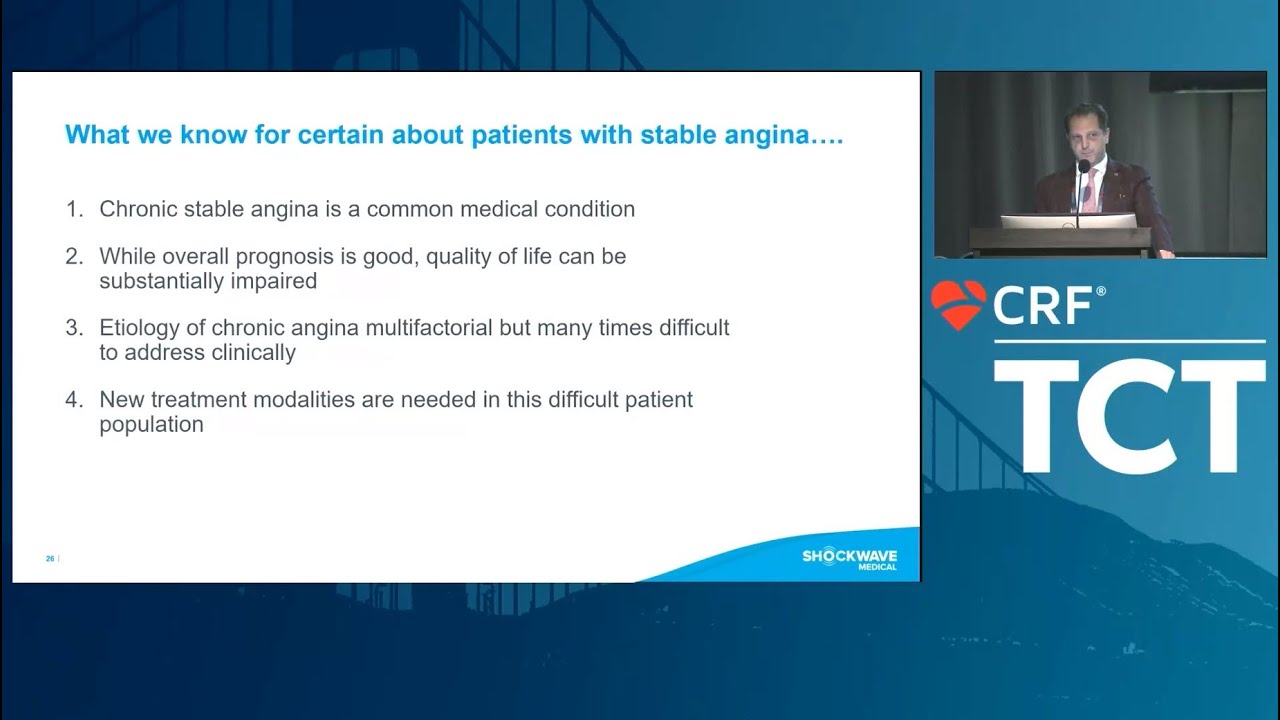
COSIRA II Symposium: Angina: The Scope of the Challenge
-
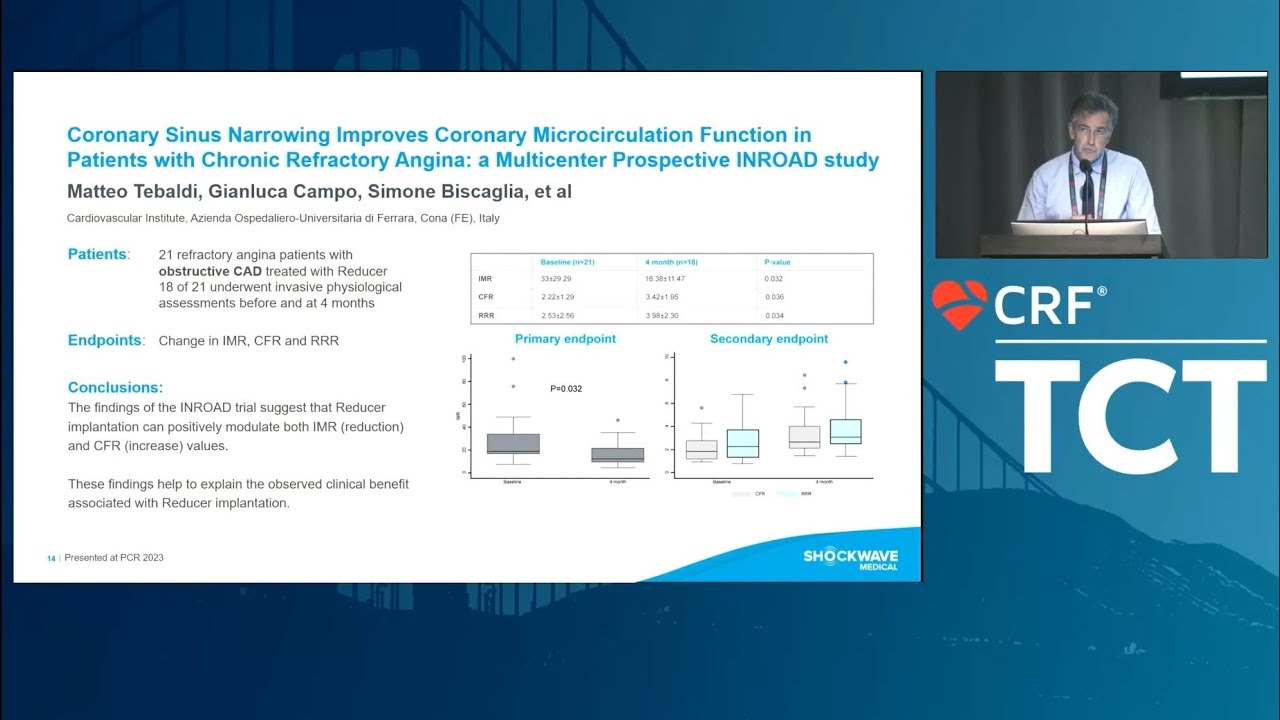
COSIRA II Symposium: The Future of Clinical Data for the Reducer
1: Crea F, et al. European Heart Journal. 2019 Aug 1;40(29):2455-62.
2: Singh A. European Heart Journal. 2024 Oct 28; 45 (Supplement_1): ehae666.1457
3: Perera D, Berry C, Hoole SP, et al. Heart 2023;109:88–95;
4: Verheye, Stefan, et al. JACC: Cardiovascular Interventions, vol. 17, no. 24, 2024, pp. 2908-2918.